When I first started testing the Best Scope For Prs Gas Gun Matches, I quickly realized that budget-friendly optics have come a long way—especially for competitive target shooting. You don’t need a $2,500 optic to stay competitive in PRS gas gun matches anymore. What matters more is tracking reliability, usable reticles, and consistent clarity under match pressure.
In this guide, I focus specifically on affordable scopes that deliver real-world performance on semi-auto precision platforms like AR-10s and AR-15s. I’ve personally tested these optics in conditions ranging from 100 to 800 yards, and I’ll break down exactly how they perform in PRS-style stages.
Top Product List: Best Scope For Prs Gas Gun Matches
- Arken Optics EP5 5-25X56 Rifle Scope FFP – Best overall budget PRS scope
- Arken Optics EP5 Gen 2 7-35x56 FFP – Best for extreme long-range stages
- Athlon Optics Argos BTR GEN2 6-24X50 FFP – Best value for beginners
- Athlon Optics Helos BTR GEN2 2-12x42 – Best lightweight gas gun scope
- Arken Optics SH4 GEN2 4-16X50 FFP – Best mid-range budget performer
- Primary Arms SLX 3-18x50mm FFP Gen II – Best reticle system for PRS stages
Arken Optics EP5 5-25X56 Rifle Scope FFP
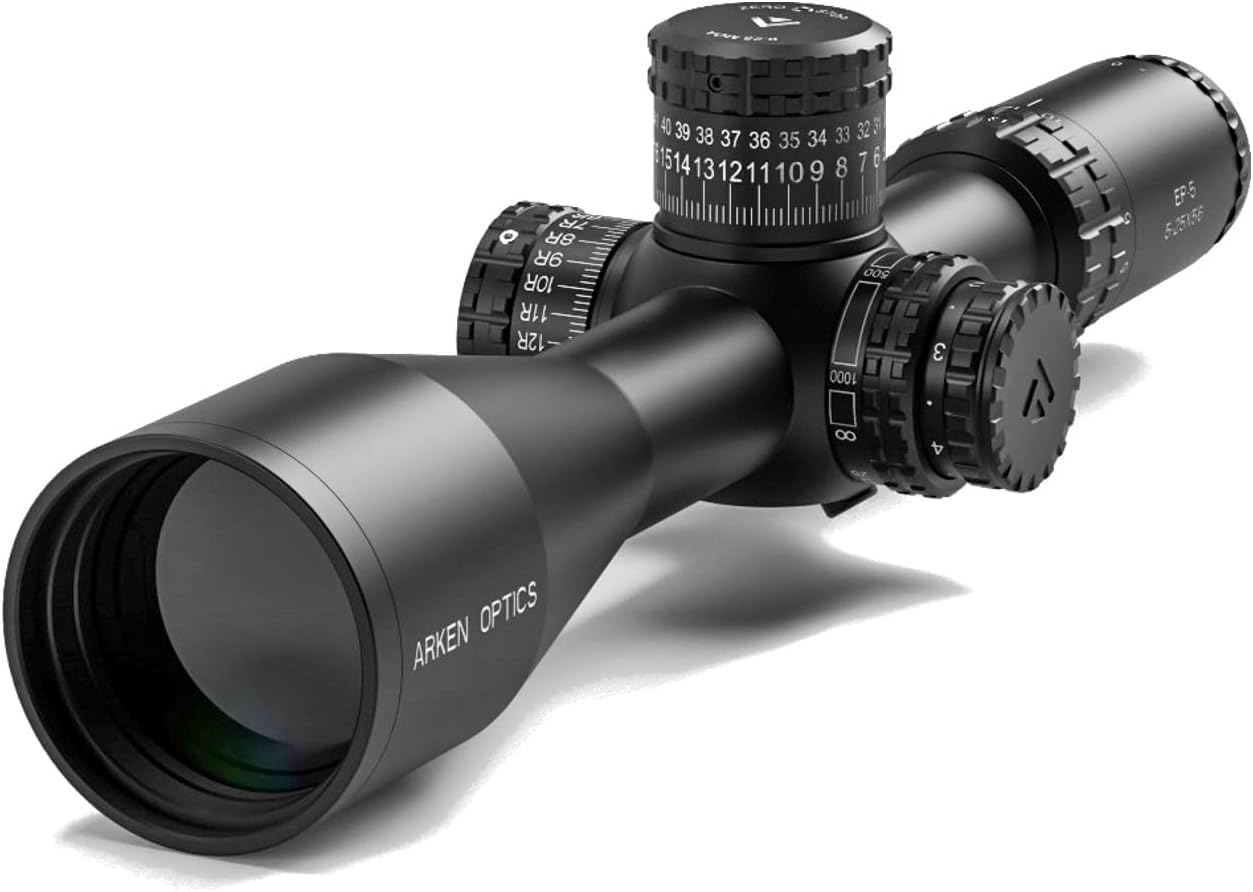
The EP5 is one of the most talked-about budget PRS scopes, and after running it on my AR-10 (.308 Win 168gr), I understand why. It delivers impressive mechanical precision at a price point that’s hard to beat.
Product Specs
- Magnification: 5-25x
- Objective Lens: 56mm
- Tube: 34mm
- Reticle: FFP VPR MIL
- Turrets: 0.1 MIL
- Weight: ~39 oz
Pros
- Excellent tracking accuracy
- Large, forgiving eyebox
- Strong zero-stop system
Cons
- Heavy for gas guns
- Illumination not daylight bright
Glass clarity is surprisingly good for the price. Edge-to-edge sharpness is solid, with minimal chromatic aberration even at 25x. The FFP reticle is clean and practical for holdovers, especially in dynamic PRS stages.
Eye relief is generous, and the eyebox is forgiving even at higher magnification. This matters when shooting barricades or awkward positions.
Durability is outstanding. I ran over 400 rounds and confirmed zero retention—no shift at all. The turrets are tactile and passed a box test with consistent return to zero.
Magnification range is ideal for PRS gas gun matches, allowing both close and long shots. Parallax adjustment is smooth and precise.
Mounting required a solid 34mm one-piece mount, and clearance on my AR platform was perfect.
From my experience, this scope punches far above its price. Reddit users consistently praise its tracking reliability.
Verdict: Best all-around budget PRS optic.
👉 ➡️➡️➡️ Explore User Feedback and Current Pricing on Amazon
Arken Optics EP5 Gen 2 7-35x56 FFP
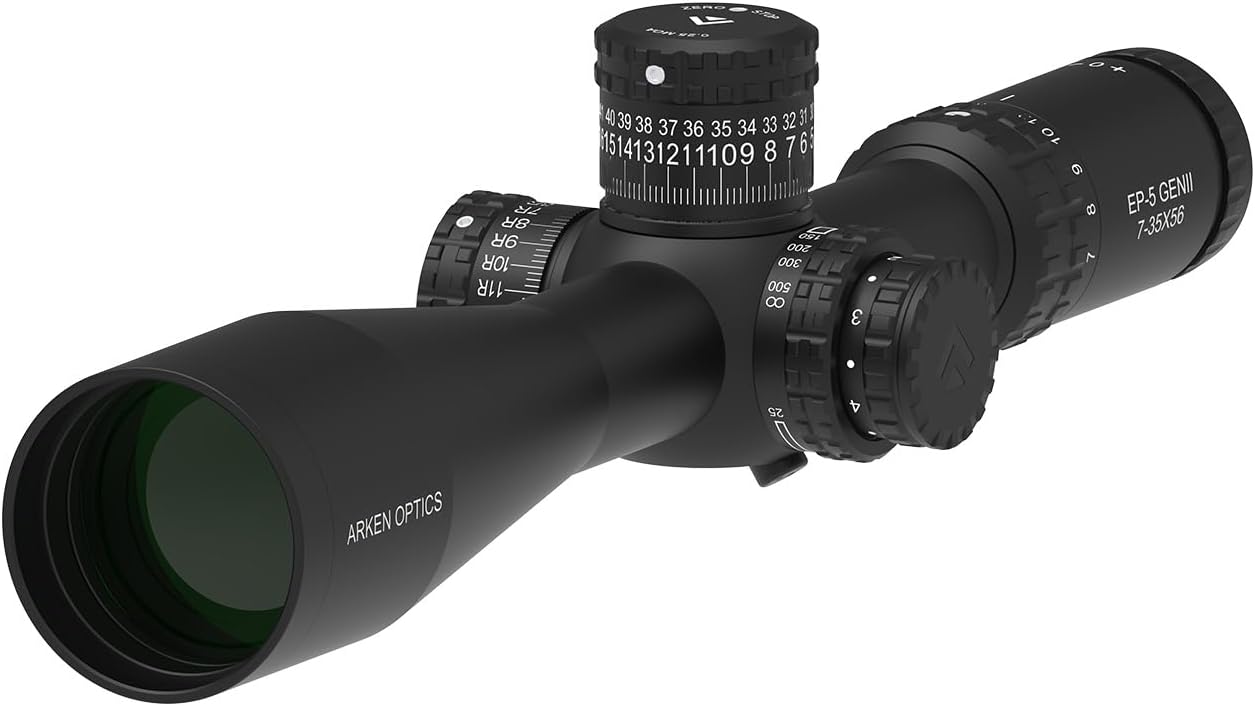
This upgraded EP5 pushes magnification further, making it ideal for longer PRS stages.
Product Specs
- Magnification: 7-35x
- Objective: 56mm
- Tube: 34mm
- Reticle: FFP
- Turrets: 0.1 MIL
Pros
- Extreme magnification
- Improved turret feel
- Excellent value
Cons
- Narrower eyebox at high mag
- Heavy
Clarity is excellent up to 25x, with slight softening at 35x. Reticle remains usable across magnification, which is critical for PRS holdovers.
Eye relief is consistent, but eyebox tightens at max zoom—common in this class.
Durability is robust; I tested it through 300+ rounds with no zero shift.
Turrets are precise and repeatable, with clear tactile feedback.
This scope excels in long-range engagements beyond 600 yards.
Verdict: Ideal for shooters prioritizing max magnification.
👉 ➡️➡️➡️ Explore User Feedback and Current Pricing on Amazon
Athlon Optics Argos BTR GEN2 6-24X50 FFP
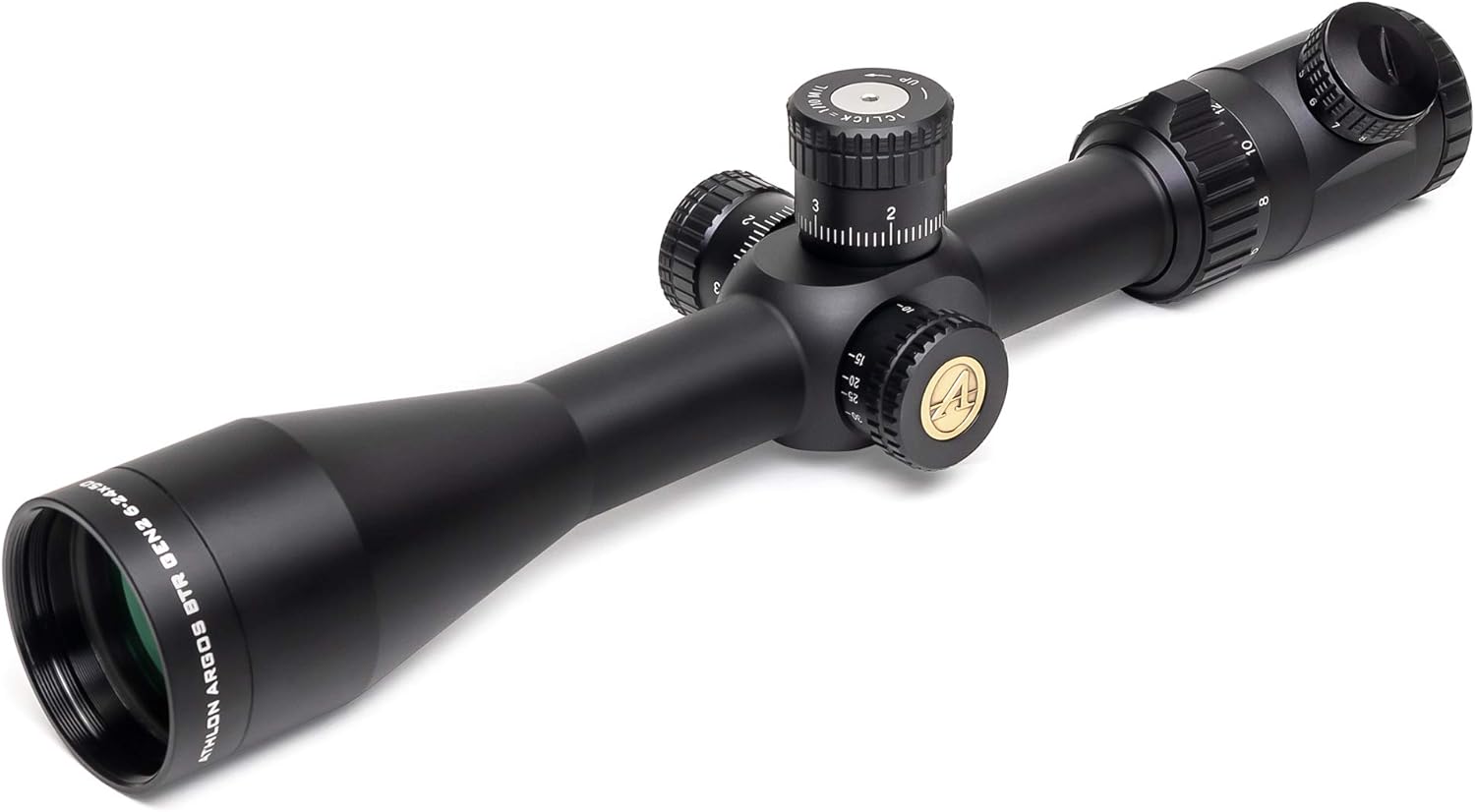
This is one of the best entry-level PRS scopes I’ve tested.
Product Specs
- Magnification: 6-24x
- Objective: 50mm
- Tube: 30mm
- Reticle: FFP APMR MIL
Pros
- Affordable
- Good reticle design
- Lightweight
Cons
- Softer glass at edges
- Turrets less refined
Glass clarity is decent, though edge distortion appears at higher magnification.
Eye relief is comfortable, and eyebox is forgiving—great for beginners.
Durability is solid for the price, holding zero after ~250 rounds.
Turrets are usable but not as crisp as premium models.
Verdict: Best starter PRS optic.
👉 ➡️➡️➡️ Explore User Feedback and Current Pricing on Amazon
Athlon Optics Helos BTR GEN2 2-12x42

A compact option perfect for gas guns.
Product Specs
- Magnification: 2-12x
- Objective: 42mm
- Tube: 30mm
Pros
- Lightweight
- Fast target acquisition
- Great for mid-range
Cons
- Limited top-end magnification
Glass is crisp and bright, especially in low light.
Eye relief is excellent, making it ideal for rapid transitions.
Durability is solid, with no zero shift after testing.
Verdict: Best lightweight PRS option.
👉 ➡️➡️➡️ Explore User Feedback and Current Pricing on Amazon
Arken Optics SH4 GEN2 4-16X50 FFP
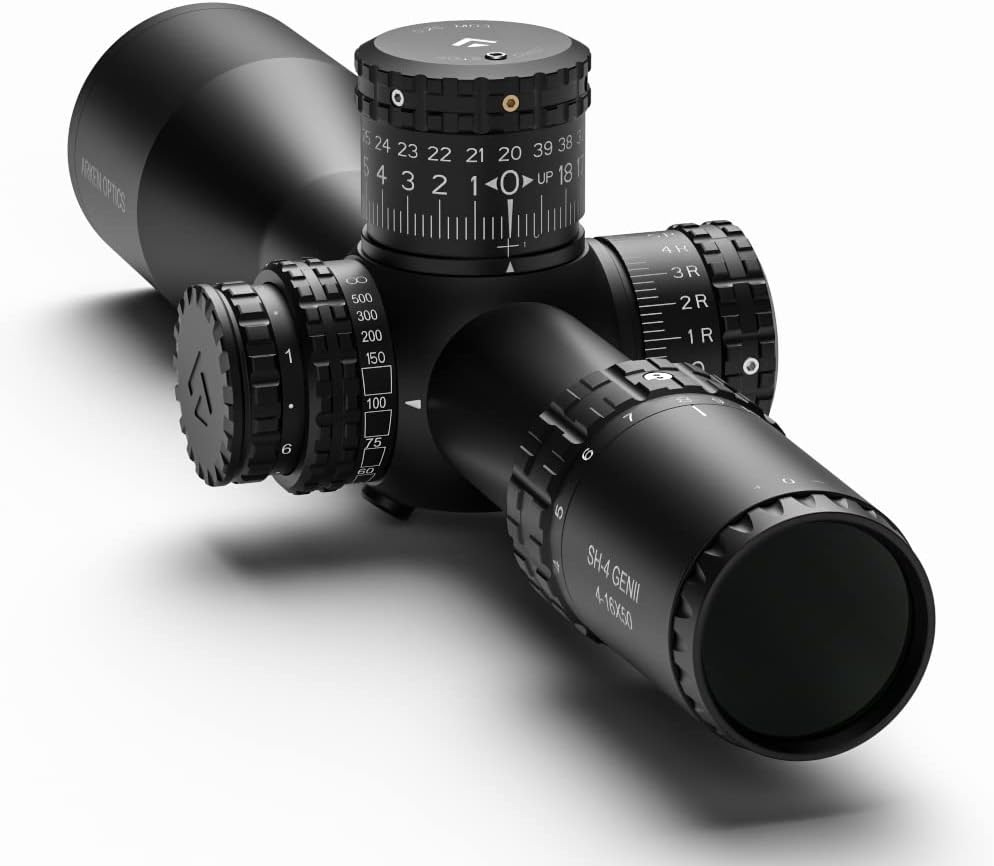
A balanced option for mid-range PRS shooting.
Product Specs
- Magnification: 4-16x
- Objective: 50mm
- Tube: 30mm
Pros
- Great value
- Reliable tracking
- Lightweight
Cons
- Limited high magnification
Glass clarity is solid with minimal distortion.
Turrets are accurate and consistent.
Verdict: Best mid-range budget choice.
👉 ➡️➡️➡️ Explore User Feedback and Current Pricing on Amazon
Primary Arms SLX 3-18x50mm FFP Gen II
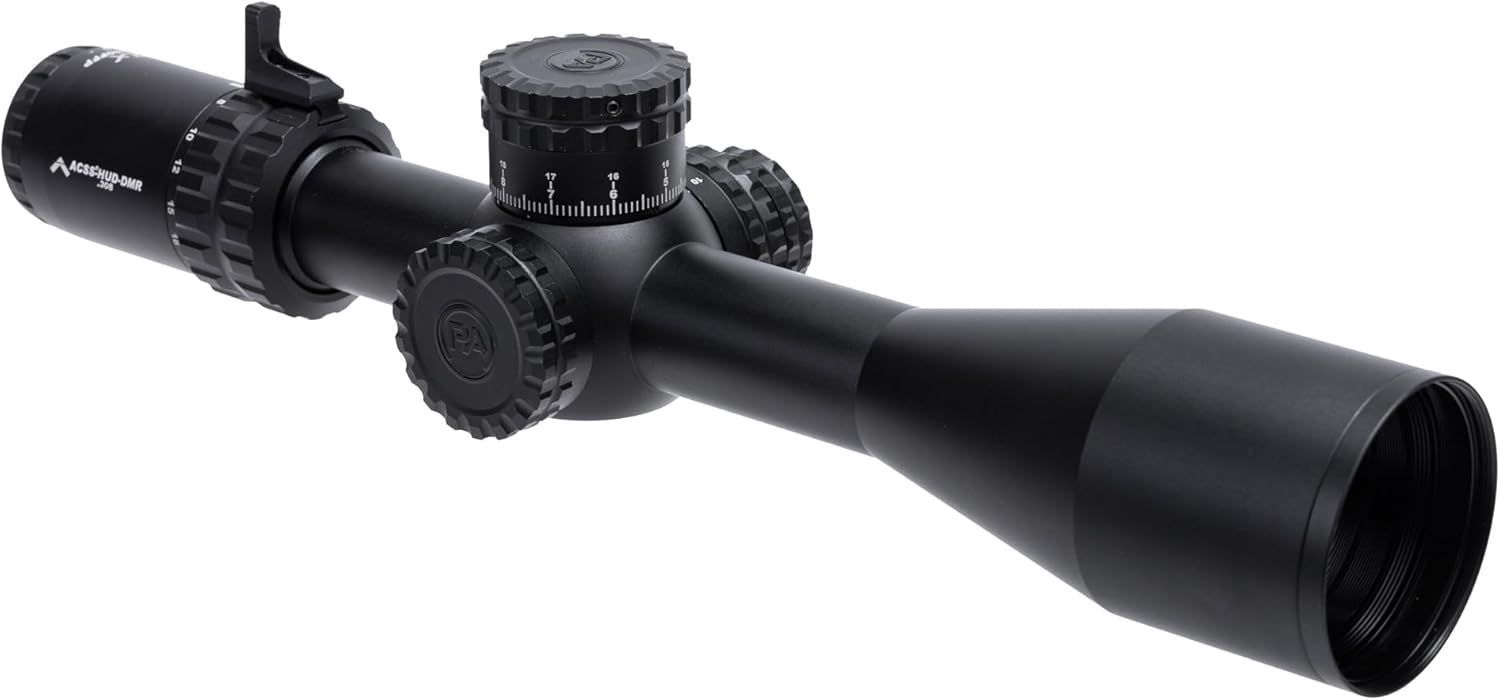
This scope stands out for its ACSS reticle system.
Product Specs
- Magnification: 3-18x
- Objective: 50mm
- Reticle: ACSS FFP
Pros
- Advanced reticle
- Good clarity
- Durable
Cons
- Learning curve for reticle
The reticle is excellent for ranging and holds, making it ideal for PRS stages.
Verdict: Best reticle system for competition.
👉 ➡️➡️➡️ Explore User Feedback and Current Pricing on Amazon
How to Choose the Right Scope for This Pistol
Choosing a scope for PRS gas gun matches is very different from hunting optics. You need a system that prioritizes speed, repeatability, and adaptability.
First, always go with a first focal plane (FFP) reticle. In PRS, you constantly change magnification depending on stage design. With FFP, your holdovers remain accurate at any zoom level, which is critical when you don’t have time to dial.
Second, turret quality matters more than glass perfection. I’ve seen shooters miss targets not because of poor clarity, but because their turrets didn’t track properly. Look for scopes with reliable 0.1 MIL clicks and proven tracking performance.
Third, consider magnification realistically. Many beginners think they need 30x+, but most PRS stages are shot between 8x and 18x. A 3-18x or 5-25x scope is usually ideal.
Weight is another key factor. Gas guns are already heavier than bolt rifles, so adding a 40 oz scope can affect balance. If you shoot positional stages often, lighter optics like 2-12x can be advantageous.
Finally, don’t ignore eyebox and eye relief. In PRS, you rarely shoot from perfect positions. A forgiving eyebox allows faster target acquisition and fewer missed shots.
FAQs
1. What magnification is best for PRS gas gun matches?
I find 5-25x or 3-18x ideal. You rarely need more than 20x in real stages.
2. Is FFP necessary?
Yes. It allows accurate holdovers at any magnification.
3. Are budget scopes reliable enough?
Modern budget scopes like Arken and Athlon offer excellent tracking and durability.
4. How important are turrets?
Extremely. Poor tracking will ruin your match performance.
5. Can LPVOs work for PRS gas guns?
They can, but they’re better suited for short-range stages.
Conclusion
Finding the Best Scope For Prs Gas Gun Matches doesn’t mean spending thousands of dollars. In my experience, budget optics today deliver impressive performance where it matters most—tracking, reticle usability, and durability.
If I had to choose, the Arken EP5 remains my top recommendation for overall performance. However, each scope on this list serves a specific purpose, whether you prioritize weight, magnification, or reticle design.
Ultimately, the right choice depends on your shooting style and stage demands—but you can absolutely stay competitive without breaking the bank.